.jpeg)
Coastal environments place constant pressure on infrastructure. Durable materials, straightforward design, and precast concrete construction help public assets perform reliably in exposed conditions over the long term.
Coastal public spaces are some of the most heavily used and most demanding environments in New Zealand.
Salt air, strong winds, moisture, and high UV exposure all place continuous pressure on infrastructure. Materials that perform well inland can deteriorate quickly near the coast, leading to increased maintenance, earlier replacement, and ongoing repair work.
Designing for coastal environments requires a long-term approach from the beginning.
The Coast Is Hard on Infrastructure
Unlike one-off weather events, coastal conditions never really stop.
Salt carried through the air settles onto surfaces and fittings. Wind drives rain and sand against exposed structures. Moisture works its way into materials and connections over time.
Even small levels of exposure, repeated daily over years, can significantly accelerate wear.
This is why coastal infrastructure often requires different materials, construction methods, and maintenance considerations compared to inland locations.
.jpg)
Why Some Materials Struggle
In coastal environments, deterioration tends to appear gradually.
Metal components may begin to corrode. Timber can weather, split, or soften over time. Protective coatings may fade or require regular upkeep to maintain performance.
What begins as minor wear can eventually affect usability, appearance, and long-term reliability.
For public infrastructure, this often means more maintenance interventions, higher ongoing costs, and shorter asset lifespans.
Why Precast Concrete Performs Differently
Concrete has been used in construction for thousands of years. Some Roman concrete structures are still standing today, despite centuries of exposure to weather and environmental conditions.
While modern precast systems have evolved significantly, the principle remains much the same: creating durable structures designed to perform over time.
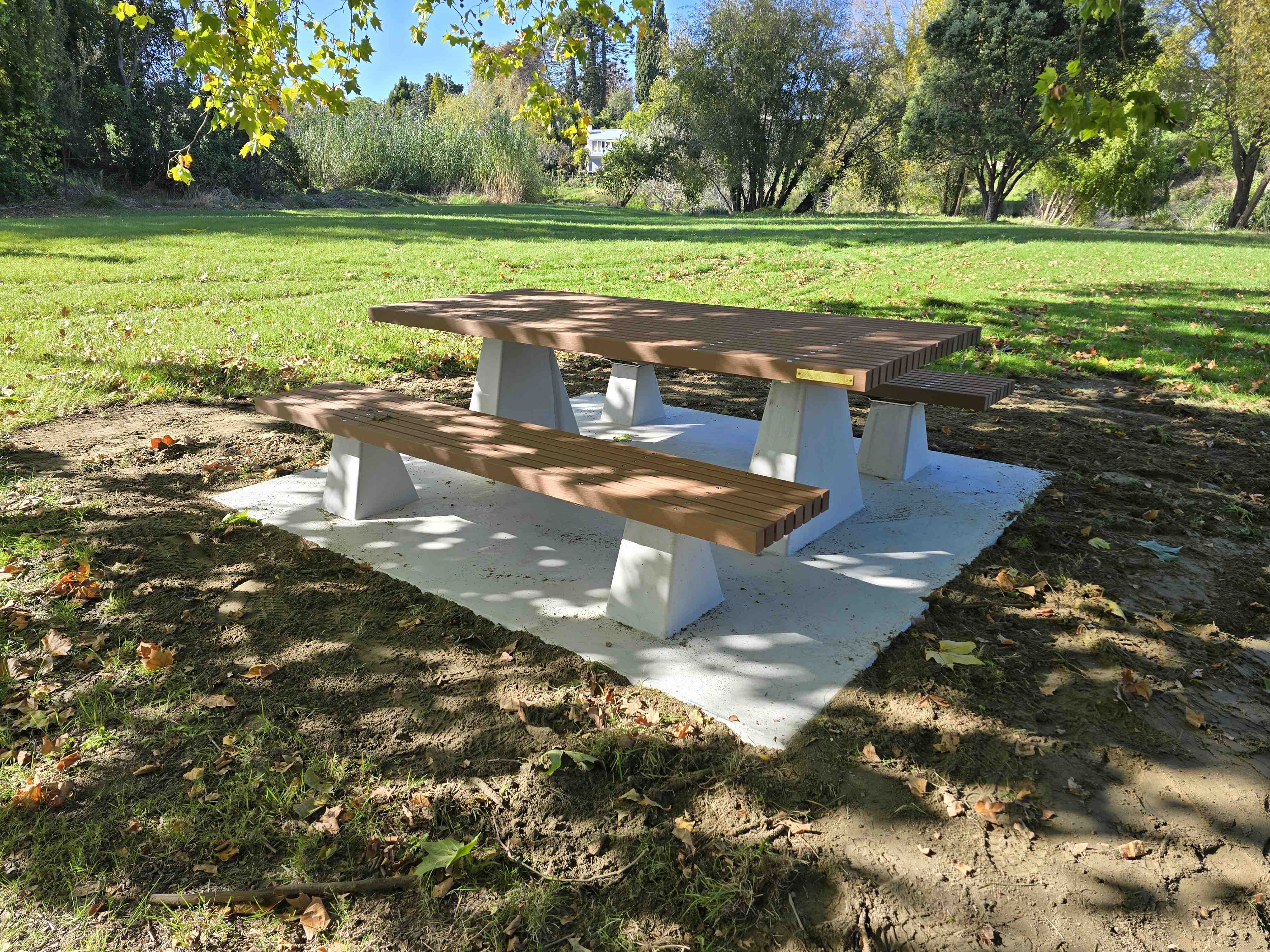
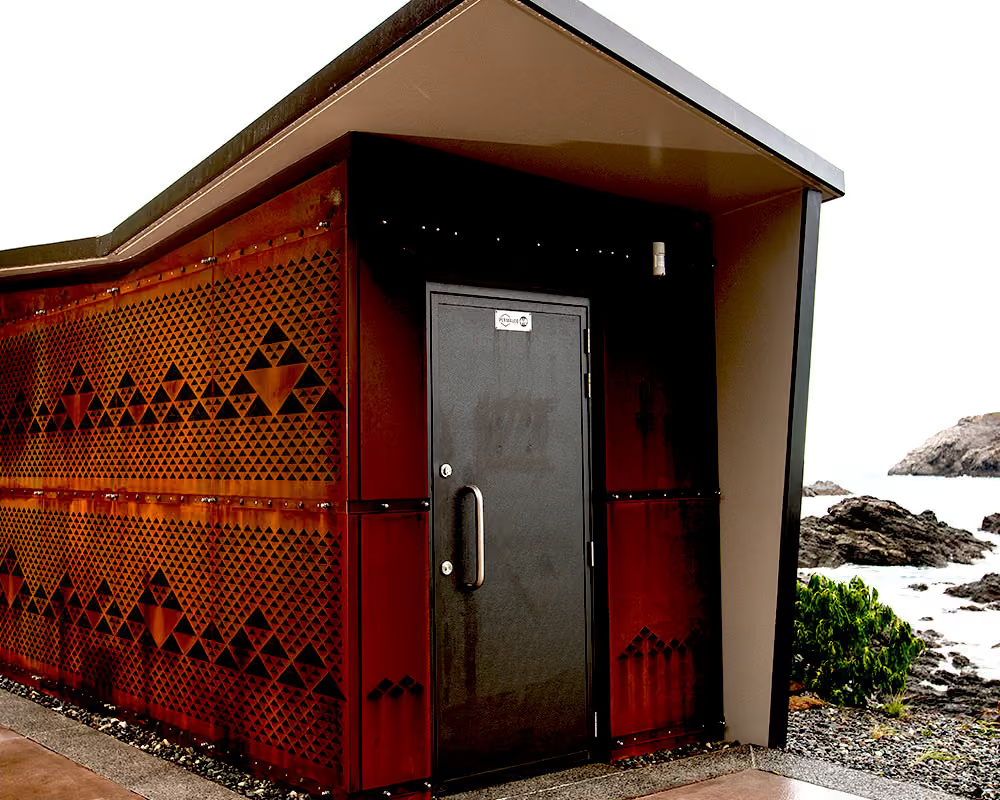
In coastal environments, precast concrete performs well because it combines strength, durability, and simplicity in a straightforward solution. Paired with durable finishes such as Colorsteel roofing, it resists corrosion, avoids rot, and continues to perform reliably in exposed conditions.
Over time, that consistency becomes one of its biggest advantages.
.jpeg)
Designed for Long-Term Exposure
Coastal infrastructure cannot rely on ideal conditions.
It needs to perform through changing weather, heavy public use, and continuous environmental exposure. This means selecting materials that are inherently suited to the conditions they’ll face every day.
Precast concrete is particularly well suited to these environments because of its durability and low maintenance requirements. It continues performing without requiring constant repair, repainting, or replacement.
Fast and Straightforward Delivery
Precast construction also simplifies installation.
Because the structure is manufactured off site, installation can often be completed faster and with less disruption than traditional construction methods. This is particularly valuable in busy coastal reserves, parks, and public spaces where extended construction periods can impact how people use the area.
The result is a straightforward delivery process and infrastructure that is ready to perform immediately after installation.
Designing for the Environment, Not Against It
Coastal locations will always present challenges.
The goal isn’t to avoid those conditions, but to design in a way that accounts for them from the outset. Materials, finishes, and construction methods all play a role in how infrastructure performs over time.
When durability is prioritised early, public assets are better equipped to remain functional, reliable, and low maintenance for years to come.
And in coastal environments, that long-term consistency matters.
.jpeg)